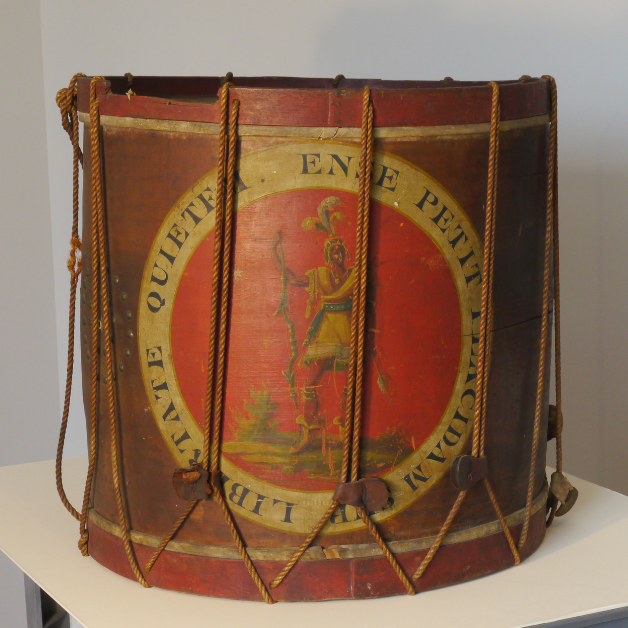
• Forging Independence | Building a Nation

    New Bedford Whaling Museum 18 Johnny Cake Hill, New Bedford, MA, United States

    In celebration of the 250th anniversary of the American Revolution, NBWM will open a new suite of conjoined galleries in that explore stories of independence, struggle, and citizenship in the region during the late colonial and early Republican period (1760-1830). Forging Independence | Building a Nation introduces connections between historical events and pressing issues of today, asking visitors to consider what ideas are embodied in the terms and ideas of Independence and Nationhood. Words like patriotism, freedom, taxation, citizenship, liberty, equality, justice, tolerance, and independence serve as keystones within the installation to encourage thoughtful engagement with concepts that transcend the past and directly connect with our present. Associations forged between objects, concepts, and individuals broach insightful civic-minded questions about what it means to be “American.” What did colonial citizens think America should or would be, and how do we today continue to ask those questions and shape that outcome today?
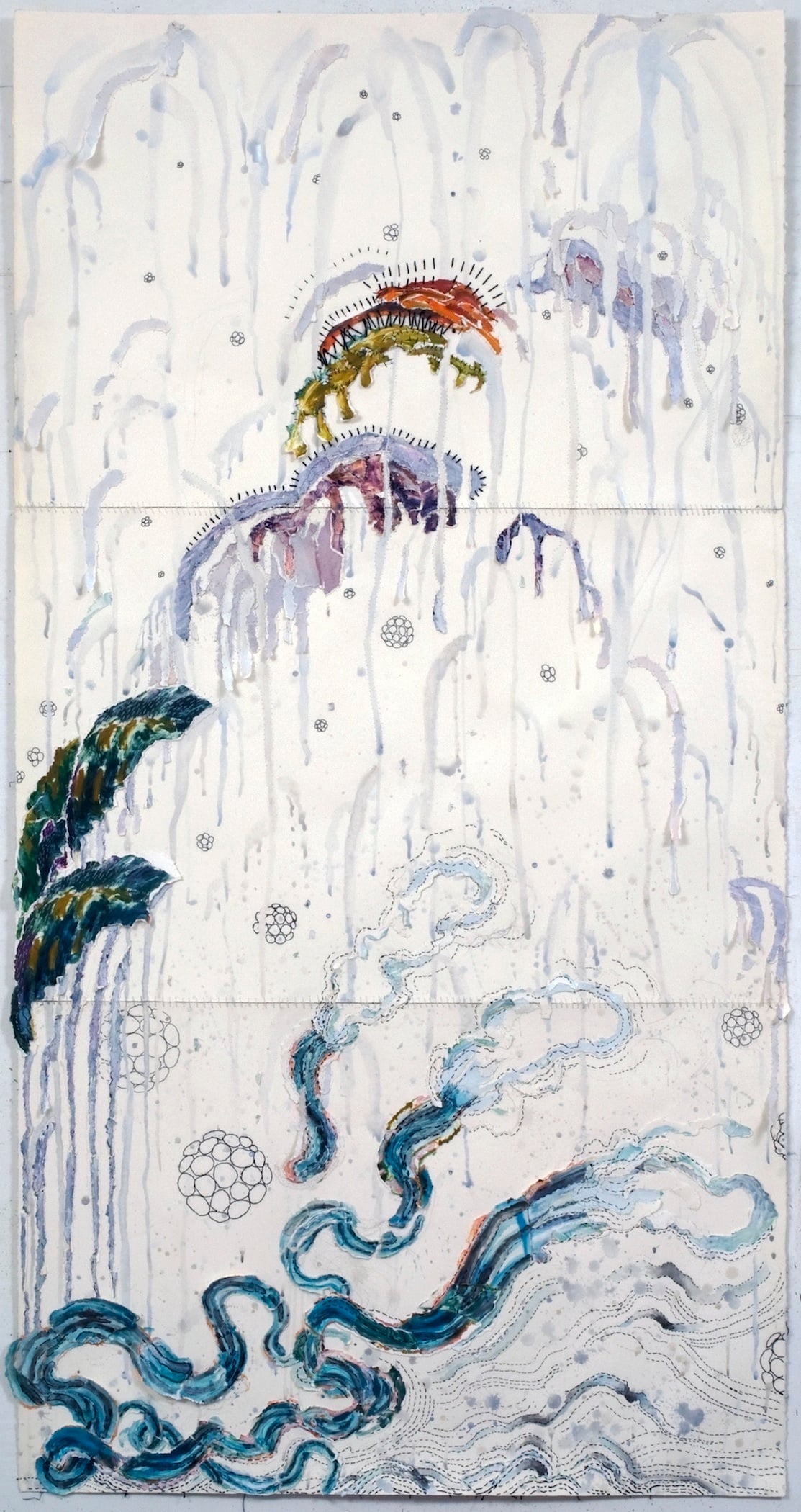
  • Proteanna: Susan Heideman

    New Bedford Whaling Museum 18 Johnny Cake Hill, New Bedford, MA, United States

    Artist Susan Heideman (b. 1950) has explored bio-morphic shapes of the ocean’s “in-between entities” for nearly twenty years in her Proteanna series and beyond. The real and imagined floating, aqueous shapes of her work evoke the forms of invertebrate creatures that often remind us of primordial beings living in the depths of the sea. The colorful hand embroidered large scale works that define the Proteanna series are “hybrid” in nature and include a mix of older works combined with newer paintings and constructions. The texture and layering create an almost three-dimensional experience that transport the visitor into a wondrous underwater world of possibility. Artist Statement: In 2006 the Proteanna Series began with an experiment. For the first time, using black embroidery thread, I tried stitching imagery into an existing watercolor I’d always felt lacking. The piece seemed to come alive. Suddenly the idea of combining stitching, watercolor and other aqueous media on larger sheets of thick watercolor paper had become entrancing. I began tearing up random, ragged fragments of my old monotypes and stitching them onto the paper. I continued stitching, painting, and layering, attaching collaged pieces strictly through stitching. This was the beginning of the ongoing Proteanna Series. I […]

  • Sailors’ Valentines: Maritime Art from the Heart

    New Bedford Whaling Museum 18 Johnny Cake Hill, New Bedford, MA, United States

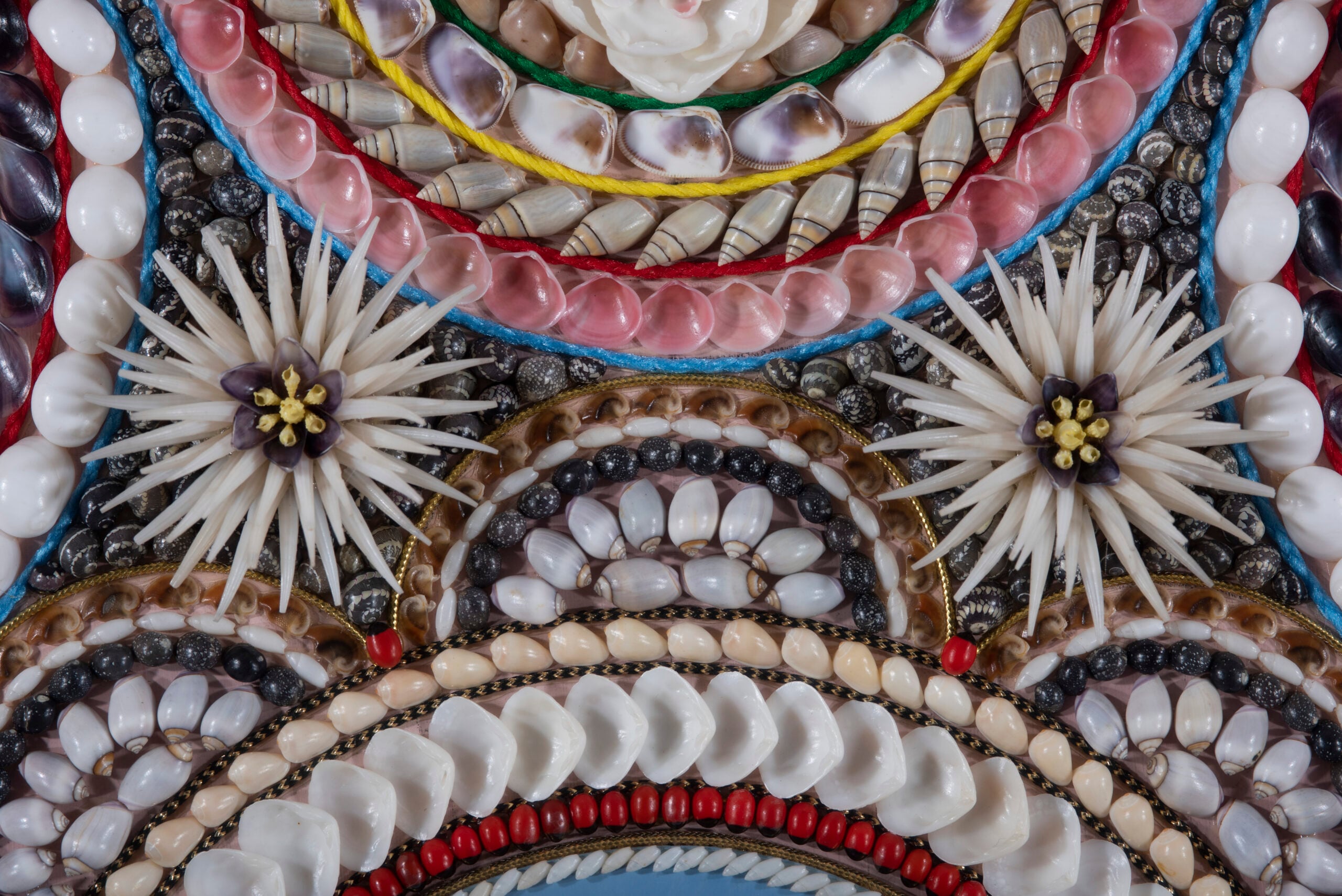
    Shellwork mosaics, known as sailor’s valentines, consist of colorful shells in intricate arrangements housed in octagonal wooden boxes. Created primarily between 1830 and 1890, their designs incorporate hearts, flowers, and nautical symbols like anchors and compass roses. Sometimes they carry romantic messages written out in tiny shells. Despite their name, sailor’s valentines were not made by sailors at sea. Instead, they were produced for the tourist trade by Barbadian women from locally sourced shells. In the 1800s, Barbados, located at the easternmost part of the Caribbean, was a center of maritime supply and distribution. US ships often stopped at the small island, where sailors purchased keepsakes, like valentines, for loved ones at home. This cottage industry for locally made goods provided crucial economic opportunities for women of a color under British colonial occupation. The Slavery Abolition Act came into effect in Barbados in 1834, and previously enslaved Barbadians needed work. While Barbadian men traveled and labored off island, women provided for their families. Shellwork craft production was a lifeline. The popularity of sailor’s valentines emerged concurrent with the rise of a new scientific discipline – conchology, or the study of shells, the popular pastime of amateur shell collecting, and the […]

  • Summer at NBWM

    New Bedford Whaling Museum 18 Johnny Cake Hill, New Bedford, MA, United States

    Visit the New Bedford Whaling Museum this summer for activities, crafts, and stories between 10:30 am-2:30 pm. Activities are free with Museum admission. See descriptions and schedule below. Mondays: Revolutionary Moments Commemorate America’s 250th Anniversary on alternating Mondays, June 29; July 13 and 27; August 10 and 24. Tuesdays: Lagoda Days Explore above and below deck on the Lagoda whaling ship on alternating Tuesdays, July 7 and 21; August 4 and 18. Wednesdays: Whale Wednesdays Climb inside the inflatable whale and create whale crafts every Wednesday, July 1-August 26. Thursdays: STEM Days & Squid Dissections Participate in hands-on STEM activities on alternating Thursdays, July 2, 16, and 30; August 13 and 27. Add a squid dissection at 11:00 AM. Tickets are $7. Pre-registration recommended; spaces are limited. Fridays: Photo Fridays Explore photography and the exhibit "Look pleasant, please" on alternating Fridays, July 10 and 24; August 7 and 21. Saturdays: Aquarium Activities Watch an aquarium feeding at 10:00 am. Aquarium craft activities start at 10:30, every Saturday, July 4-August 29. Sundays: Art Adventures Create art inspired by works in the Museum, every Sunday, June 28-August 30.

  • LIFELONG LEARNING: Short-course in the History of Photography, 1839-1900

    New Bedford Whaling Museum 18 Johnny Cake Hill, New Bedford, MA, United States

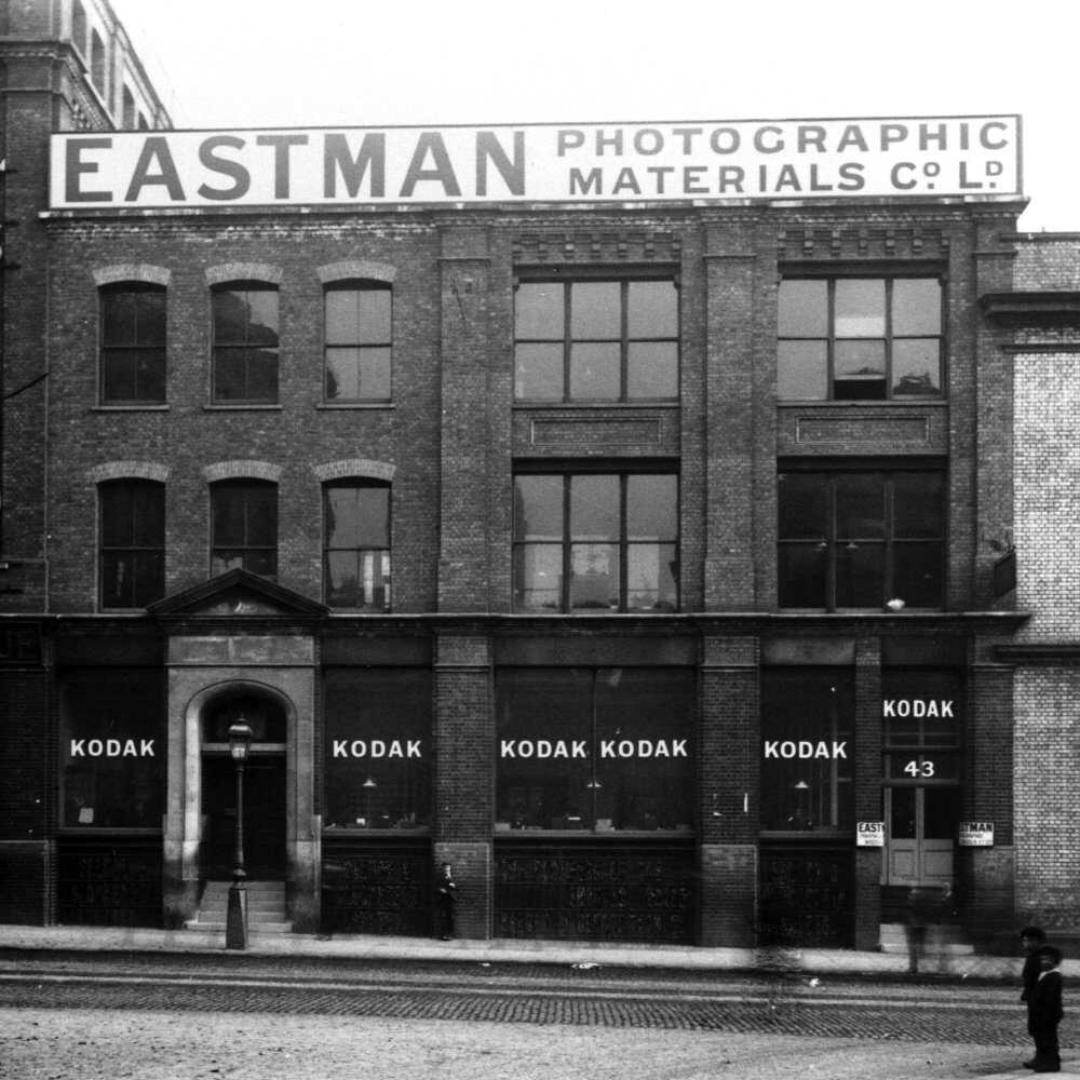
    Co-Led by Naomi Slipp, Douglas and Cynthia Crocker Endowed Chair for the Chief Curator & Director of Museum Learning; Marina Dawn Wells, Assistant Curator of History & Culture This unique virtual course combines six weekly 80-minute sessions of lecture and discussion, with a culminating hands-on workshop at the Museum. Learn what photography is and how it transformed the world directly from experts in the field using the vast resources of the NBWM photography collection as your study materials. Everyone walks around today with a camera in our pocket. But that was not always the case. Our world is saturated with photographic images – from magazine covers and Facebook feeds to Instagram and billboards–but have you ever stopped to wonder how these images work, what they are trying to say to you, or what histories they may connect with? This course introduces life-long learners to the history of photography, from the invention of the medium in 1839 to the birth of Kodak and snapshot photography in 1900. Photographs will be studied as art objects and historical artifacts. Themes include technological innovations; debates between art photography, commercial photography, and documentary photography; government and private patronage; individual or collective endeavors; original and published […]

  • Cyanotype Sunprint Workshop with Marina Dawn Wells, PhD

    New Bedford Whaling Museum 18 Johnny Cake Hill, New Bedford, MA, United States

    Join us for a hands-on cyanotype (sunprint) photography workshop led by Marina Dawn Wells, PhD, curator of the exhibition “Look pleasant, please”: Early Portrait Photography in New Bedford on view at the New Bedford Whaling Museum. This workshop invites participants to engage with historic photographic processes that echo themes of representation and image-making explored in the exhibition. Using a modern cyanotype process—an historic photographic technique that produces distinctive blue-and-white prints through exposure to sunlight—participants will create their own compositions using arranged objects and materials. The workshop offers an accessible, creative introduction to photographic experimentation while connecting to the exhibition’s broader inquiry into how images are constructed and understood. Check-in at 4:30 PM at the admissions desk, and the workshop will begin promptly at 4:45 PM in Cuffe Park. Participants will create prints on site during the session and will also have the opportunity to walk through the “Look pleasant, please” exhibition, with the curator available for them to ask questions. This program will take place outdoors, weather permitting. All materials will be provided, though participants are invited to bring small objects to incorporate into their designs. These may be leaves or flowers, but they also could be additional trinkets, two-dimensional […]

  • Kids Rule! at the Whaling Museum | The Toe Jam Puppet Band

    New Bedford Whaling Museum 18 Johnny Cake Hill, New Bedford, MA, United States

    Performance Location: Cuffe Park (weather permitting) Rain Location: Jacobs Family Gallery An evening of creativity, music, and family fun awaits at the New Bedford Whaling Museum! During AHA! Night: Kids Rule!, families are invited to explore the Museum, create art, and enjoy live performances by New England's beloved Toe Jam Puppet Band. Guests may enjoy free Museum admission from 4:00 to 5:00 PM, with limited gallery access continuing through 7:00 PM, including access to the exhibition “Look pleasant, please”: Early Portrait Photography in New Bedford in the Wattles Gallery. --- Free AHA! Night Museum Access 4:00–5:00 PM Enjoy free admission to the Museum galleries as part of AHA! Night. Embark on a scavenger hunt to find the whales, climb aboard the Lagoda, the Museum's half-scale model of a whaleship, or explore galleries filled with art, artifacts, and stories from New Bedford's maritime past. 5:00–7:00 PM Limited gallery access remains available during the evening, including continued access to “Look pleasant, please”: Early Portrait Photography in New Bedford in the Wattles Gallery through 7:00 PM. --- Featured Ticketed Program Cyanotype Sunprint Workshop with Marina Dawn Wells, PhD 4:30–5:45 PM Advance registration required – click here to register now Join Marina Dawn Wells, […]

  • Harbor Lights Benefit

    New Bedford Whaling Museum 18 Johnny Cake Hill, New Bedford, MA, United States

    Join the New Bedford Whaling Museum for the annual Harbor Lights Benefit! Guests will enjoy our signature summer celebration in support of the Museum’s enduring mission and vibrant future. Start the evening with an elegant cocktail reception in the historic Bourne Building, followed by a live auction and dinner in the panoramic Harbor View Gallery and intimate Bourne Mezzanine. Throughout the night, enjoy a warm sense of community, celebration, and shared purpose. It will be a night to remember! Cocktails & Light Fare | Bourne Building Enjoy a one-of-a-kind cocktail hour featuring seasonal libations, gourmet hors d’oeuvres, and ceviche bar. Program & Live Auction | Harbor View Gallery Celebrate the impactful work of the NBWM and enjoy an exclusive live auction featuring a curated selection of exceptional packages. Seated Dinner | Harbor View Gallery & Bourne Mezzanine Savor the flavors of summer with a thoughtfully crafted seasonal menu inspired by New England favorites. Finale Indulge in a selection of delightful desserts, visit the Giving Table to support the Museum’s educational programming, and collect live auction packages. Dress Code: Summer Cocktail Attire | Elevated Ease Women: Dresses or dressy pantsuits/jumpsuits. Men: Lightweight suits or blazers with dress pants. Ties optional.

  • LIFELONG LEARNING: Short-course in the History of Photography, 1839-1900

    New Bedford Whaling Museum 18 Johnny Cake Hill, New Bedford, MA, United States

    Co-Led by Naomi Slipp, Douglas and Cynthia Crocker Endowed Chair for the Chief Curator & Director of Museum Learning; Marina Dawn Wells, Assistant Curator of History & Culture This unique virtual course combines six weekly 80-minute sessions of lecture and discussion, with a culminating hands-on workshop at the Museum. Learn what photography is and how it transformed the world directly from experts in the field using the vast resources of the NBWM photography collection as your study materials. Everyone walks around today with a camera in our pocket. But that was not always the case. Our world is saturated with photographic images – from magazine covers and Facebook feeds to Instagram and billboards–but have you ever stopped to wonder how these images work, what they are trying to say to you, or what histories they may connect with? This course introduces life-long learners to the history of photography, from the invention of the medium in 1839 to the birth of Kodak and snapshot photography in 1900. Photographs will be studied as art objects and historical artifacts. Themes include technological innovations; debates between art photography, commercial photography, and documentary photography; government and private patronage; individual or collective endeavors; original and published […]

  • LIFELONG LEARNING: Short-course in the History of Photography, 1839-1900

    New Bedford Whaling Museum 18 Johnny Cake Hill, New Bedford, MA, United States

    Co-Led by Naomi Slipp, Douglas and Cynthia Crocker Endowed Chair for the Chief Curator & Director of Museum Learning; Marina Dawn Wells, Assistant Curator of History & Culture This unique virtual course combines six weekly 80-minute sessions of lecture and discussion, with a culminating hands-on workshop at the Museum. Learn what photography is and how it transformed the world directly from experts in the field using the vast resources of the NBWM photography collection as your study materials. Everyone walks around today with a camera in our pocket. But that was not always the case. Our world is saturated with photographic images – from magazine covers and Facebook feeds to Instagram and billboards–but have you ever stopped to wonder how these images work, what they are trying to say to you, or what histories they may connect with? This course introduces life-long learners to the history of photography, from the invention of the medium in 1839 to the birth of Kodak and snapshot photography in 1900. Photographs will be studied as art objects and historical artifacts. Themes include technological innovations; debates between art photography, commercial photography, and documentary photography; government and private patronage; individual or collective endeavors; original and published […]

  • Sagres Tallship – Celebrating an Icon

    New Bedford Whaling Museum 18 Johnny Cake Hill, New Bedford, MA, United States

    The New Bedford Whaling Museum’s Portuguese Lusophone-World Lecture Series and the Azorean Maritime Heritage Society are delighted to co-present a special program celebrating the visit of the iconic Portuguese Tall Ship NRP Sagres to New Bedford Harbor as part of its transatlantic journey in advance of America’s 250th anniversary commemorations. The 292-foot, three-masted barque serves as a training vessel for future officers of the Portuguese Navy and as a floating ambassador of Portugal abroad. Instantly recognizable by her bright white hull and red crosses of the Order of Christ, Sagres embodies a living tradition of maritime heritage, diplomacy, and international exchange. Her 2026 visit to New Bedford follows appearances in major international celebrations including Sail 4th 250 in New York Harbor and Sail 250 Boston. This special program will explore the ship’s remarkable history, mission, and enduring global significance, as well as the deep maritime ties between Portugal and New Bedford. Program Schedule 3:30 PM – Doors Open Guests arrive and seated in the Cook Memorial Theater 4:00 PM – Welcome Remarks, Followed by Featured Talk The visual presentation will accompany the talk by Lt. Commander António Manuel Maurício Camilo, Commander of NRP Sagres, highlighting the vessel’s voyages, naval training […]

  • LIFELONG LEARNING: Short-course in the History of Photography, 1839-1900

    New Bedford Whaling Museum 18 Johnny Cake Hill, New Bedford, MA, United States

    Co-Led by Naomi Slipp, Douglas and Cynthia Crocker Endowed Chair for the Chief Curator & Director of Museum Learning; Marina Dawn Wells, Assistant Curator of History & Culture This unique virtual course combines six weekly 80-minute sessions of lecture and discussion, with a culminating hands-on workshop at the Museum. Learn what photography is and how it transformed the world directly from experts in the field using the vast resources of the NBWM photography collection as your study materials. Everyone walks around today with a camera in our pocket. But that was not always the case. Our world is saturated with photographic images – from magazine covers and Facebook feeds to Instagram and billboards–but have you ever stopped to wonder how these images work, what they are trying to say to you, or what histories they may connect with? This course introduces life-long learners to the history of photography, from the invention of the medium in 1839 to the birth of Kodak and snapshot photography in 1900. Photographs will be studied as art objects and historical artifacts. Themes include technological innovations; debates between art photography, commercial photography, and documentary photography; government and private patronage; individual or collective endeavors; original and published […]