• First Friday: The Art of Hip Hop

    New Bedford Whaling Museum 18 Johnny Cake Hill, New Bedford, MA, United States

    Experience the artistry, rhythm, and creative force of hip hop culture during this special First Friday evening at the New Bedford Whaling Museum. Through music, dance, spoken word, and visual expression, this program celebrates hip hop as a dynamic and evolving art form—one that bridges generations and communities through storytelling, movement, and sound. Featuring live performances curated in partnership with 3rd EyE Unlimited, the evening will highlight local and regional talent, including young adults and emerging artists who embody the spirit of creativity, collaboration, and social connection at the heart of hip hop. Enjoy a night of movement and music with a live DJ, dance showcases, and interactive art demonstrations, all set against the backdrop of New Bedford’s historic waterfront in the Museum’s Harbor View Gallery. A cash bar (must present ID) and light refreshments will be available throughout the evening. Program Schedule: 5:00 PM – Doors open; bar and galleries available for browsing 6:00 PM – DJ set: The soundscape of hip hop 6:30 PM – Dance performance featuring local youth and community artists 7:00 PM – Spoken word and graffiti art showcase (presented digitally) 8:00 PM – Collaborative performance: “The Movement of Expression” 8:30 PM – Closing community […]

  • LIFELONG LEARNING: Short-course in the History of Photography, 1839-1900

    New Bedford Whaling Museum 18 Johnny Cake Hill, New Bedford, MA, United States

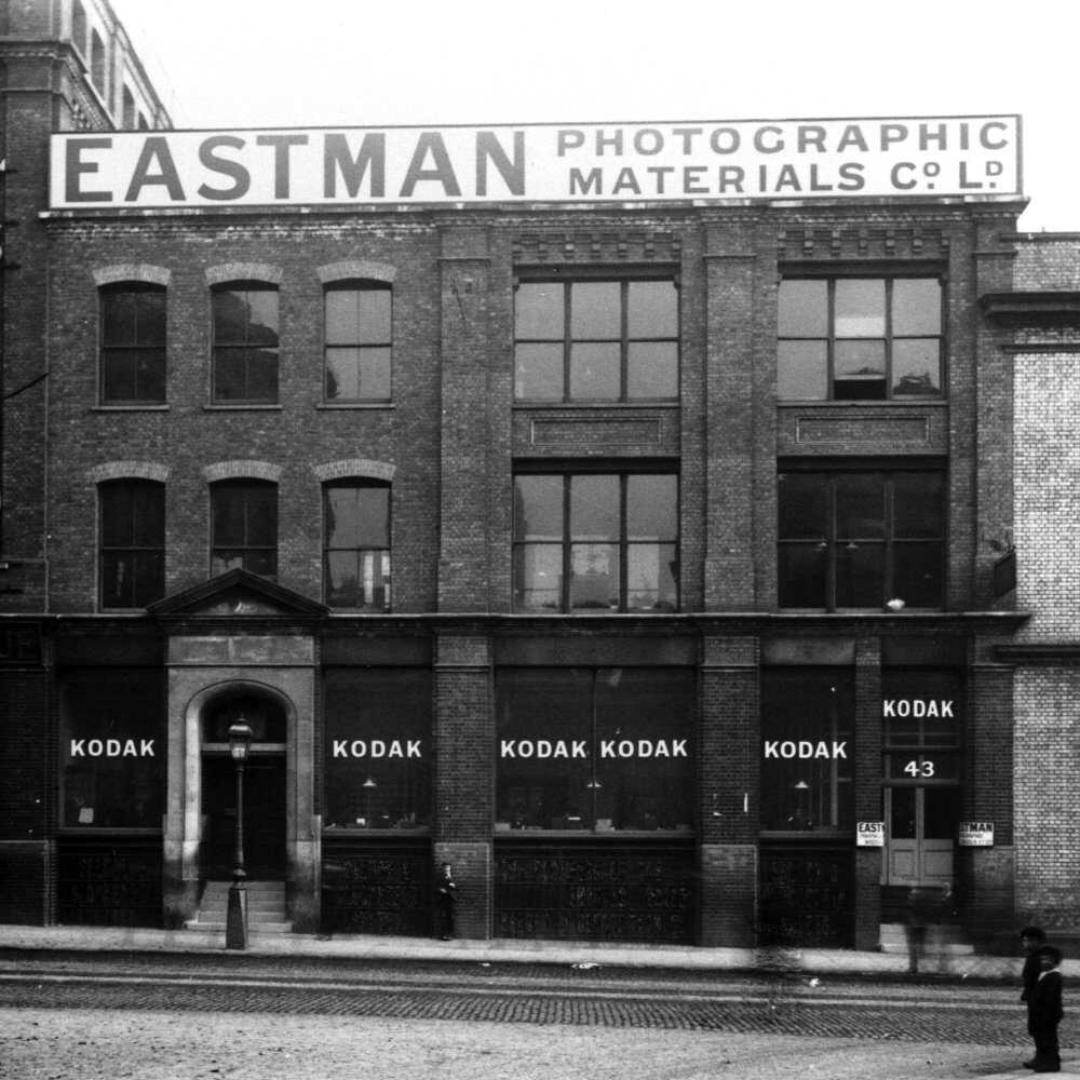
    Co-Led by Naomi Slipp, Douglas and Cynthia Crocker Endowed Chair for the Chief Curator & Director of Museum Learning; Marina Dawn Wells, Assistant Curator of History & Culture This unique virtual course combines six weekly 80-minute sessions of lecture and discussion, with a culminating hands-on workshop at the Museum. Learn what photography is and how it transformed the world directly from experts in the field using the vast resources of the NBWM photography collection as your study materials. Everyone walks around today with a camera in our pocket. But that was not always the case. Our world is saturated with photographic images – from magazine covers and Facebook feeds to Instagram and billboards–but have you ever stopped to wonder how these images work, what they are trying to say to you, or what histories they may connect with? This course introduces life-long learners to the history of photography, from the invention of the medium in 1839 to the birth of Kodak and snapshot photography in 1900. Photographs will be studied as art objects and historical artifacts. Themes include technological innovations; debates between art photography, commercial photography, and documentary photography; government and private patronage; individual or collective endeavors; original and published […]
  • LIFELONG LEARNING: Short-course in the History of Photography, 1839-1900

    New Bedford Whaling Museum 18 Johnny Cake Hill, New Bedford, MA, United States

    Co-Led by Naomi Slipp, Douglas and Cynthia Crocker Endowed Chair for the Chief Curator & Director of Museum Learning; Marina Dawn Wells, Assistant Curator of History & Culture This unique virtual course combines six weekly 80-minute sessions of lecture and discussion, with a culminating hands-on workshop at the Museum. Learn what photography is and how it transformed the world directly from experts in the field using the vast resources of the NBWM photography collection as your study materials. Everyone walks around today with a camera in our pocket. But that was not always the case. Our world is saturated with photographic images – from magazine covers and Facebook feeds to Instagram and billboards–but have you ever stopped to wonder how these images work, what they are trying to say to you, or what histories they may connect with? This course introduces life-long learners to the history of photography, from the invention of the medium in 1839 to the birth of Kodak and snapshot photography in 1900. Photographs will be studied as art objects and historical artifacts. Themes include technological innovations; debates between art photography, commercial photography, and documentary photography; government and private patronage; individual or collective endeavors; original and published […]

  • Author Book Talk: Jen Rose Smith

    New Bedford Whaling Museum 18 Johnny Cake Hill, New Bedford, MA, United States +1 more

    Thursday, November 19 | 12:00 PM – 1:00 PM Free, virtual program; registration required About the Author: Jen Rose Smith is a dAXunhyuu (Eyak, Alaska Native) geographer interested in the intersections of coloniality, race, and indigeneity as read through aesthetic and literary contributions, archival evidences, and experiential embodied knowledges. She is an Assistant Professor of Geography at the University of Washington, and received her Ph.D. from UC Berkeley in Comparative Ethnic Studies, her Master's Degree from the same department, and holds a BA in English Literature and the Environment from the University of Alaska, Southeast. She has published in Environment and Planning D: Society and Space, Transactions of the Institute of British Geographers, and The Geographical Journal. Her first book Ice Geographies: The Colonial Politics of Race and Indigeneity in the Arctic was released by Duke University Press in May 2025. About the Book: Ice animates the look and feel of climate change. It is melting faster than ever before, causing social upheaval among northern coastal communities and disrupting a more southern, temperate world as sea levels rise. Economic, academic, and activist stakeholders are increasingly focused on the unsettling potential of ice as they plan for a future shaped by […]

  • New Ecologies: May Babcock

    New Bedford Whaling Museum 18 Johnny Cake Hill, New Bedford, MA, United States

    Providence based artist May Babcock (b. 1986) is an eco-centric artist that creates paper works and sculptural forms from natural materials she sources from local environments. Her masterfully crafted works are rooted in place and reflect the texture, color, and sometimes shape of the grasses, sediment, and fiber she collects and manipulates. In her most recent body of work, on view at the New Bedford Whaling Museum in November of 2026, she creates a collection of “new ecologies” constructed from natural sites around southern New England. “I wander rivers and coastlines, observing novel plant communities surviving in distressed lands and waters. Collected fibers and sediment turns into paper pulp, which coats discarded electrical and internet communication wire. I make many small, abstract sculptures of plant forms and water. With no planning or preparation, and in stream of consciousness, I spontaneously compose these smaller elements into wall sculptures, amalgamations. This act of discovery and connecting reflects the growth of novel relationships—New Ecologies emerging out of collapsing systems.” Bio: I’m May Babcock, a papermaking artist using natural materials in New England. I grew up in rural Connecticut surrounded by forests, rivers and ponds, and vegetable and flower gardens. I received scholarships to […]

  • LIFELONG LEARNING: Short-course in the History of Photography, 1839-1900

    New Bedford Whaling Museum 18 Johnny Cake Hill, New Bedford, MA, United States

    Co-Led by Naomi Slipp, Douglas and Cynthia Crocker Endowed Chair for the Chief Curator & Director of Museum Learning; Marina Dawn Wells, Assistant Curator of History & Culture This unique virtual course combines six weekly 80-minute sessions of lecture and discussion, with a culminating hands-on workshop at the Museum. Learn what photography is and how it transformed the world directly from experts in the field using the vast resources of the NBWM photography collection as your study materials. Everyone walks around today with a camera in our pocket. But that was not always the case. Our world is saturated with photographic images – from magazine covers and Facebook feeds to Instagram and billboards–but have you ever stopped to wonder how these images work, what they are trying to say to you, or what histories they may connect with? This course introduces life-long learners to the history of photography, from the invention of the medium in 1839 to the birth of Kodak and snapshot photography in 1900. Photographs will be studied as art objects and historical artifacts. Themes include technological innovations; debates between art photography, commercial photography, and documentary photography; government and private patronage; individual or collective endeavors; original and published […]

  • LIFELONG LEARNING: Short-course in the History of Photography, 1839-1900

    New Bedford Whaling Museum 18 Johnny Cake Hill, New Bedford, MA, United States

    Co-Led by Naomi Slipp, Douglas and Cynthia Crocker Endowed Chair for the Chief Curator & Director of Museum Learning; Marina Dawn Wells, Assistant Curator of History & Culture This unique virtual course combines six weekly 80-minute sessions of lecture and discussion, with a culminating hands-on workshop at the Museum. Learn what photography is and how it transformed the world directly from experts in the field using the vast resources of the NBWM photography collection as your study materials. Everyone walks around today with a camera in our pocket. But that was not always the case. Our world is saturated with photographic images – from magazine covers and Facebook feeds to Instagram and billboards–but have you ever stopped to wonder how these images work, what they are trying to say to you, or what histories they may connect with? This course introduces life-long learners to the history of photography, from the invention of the medium in 1839 to the birth of Kodak and snapshot photography in 1900. Photographs will be studied as art objects and historical artifacts. Themes include technological innovations; debates between art photography, commercial photography, and documentary photography; government and private patronage; individual or collective endeavors; original and published […]

  • Art Talks! May Babcock

    New Bedford Whaling Museum 18 Johnny Cake Hill, New Bedford, MA, United States +1 more

    Wednesday, December 2, 12:00-1:00pm Free, virtual program; registration required Online series featuring conversations with artists working on projects with or at the New Bedford Whaling Museum. About the artist: I’m May Babcock, a papermaking artist using natural materials in New England. I grew up in rural Connecticut surrounded by forests, rivers and ponds, vegetable and flower gardens. I received scholarships to attend the University of Connecticut for a BFA in painting and printmaking and went to Louisiana State University for my MFA and to learn papermaking. As a biracial artist of Taiwanese-Chinese descent I never felt like I belonged. Exploring specific sites is a search for belonging, plant fibers, and connection with place. Babcock’s series New Ecologies, with works constructed from sites around New England will be on view at the New Bedford Whaling Museum beginning in November of 2026.

  • First Friday: Sharks Come Cruisin’ with the Whale Guitar

    New Bedford Whaling Museum 18 Johnny Cake Hill, New Bedford, MA, United States

    Friday, December 4, 2026 | 5:00 PM to 8:00 PM Closing out the Museum’s 2026 First Fridays series, the Harbor View Gallery fills with voices, strings, and sea songs as The Whale Guitar takes center stage alongside Sharks Come Cruisin’. This evening features ocean-inspired music, participatory performance, and a celebration of maritime sound and community. Based in Providence, RI, Sharks Come Cruisin’ plays an energetic mix of sea shanties and maritime music, bringing audiences together through shared song and celebration. First Fridays offer an evening experience at the Museum with extended gallery hours, a cash bar, light bites, and access to all Museum galleries throughout the night. Program Schedule 5:00–5:30 PM | Gallery Access & Arrival Explore the Museum’s galleries, or enjoy light refreshments in the Harbor View Gallery and learn about The Whale Guitar Project before the evening’s performances begin. 5:30–6:30 PM | Ocean Mic: Instrument of Change Curated by Jennifer Long, Ocean Mic highlights 4–6 guitarists performing on The Whale Guitar, an “Instrument of Change” made from reclaimed materials. 6:30–8:00 PM | Sing-Along Sea Shanties with Sharks Come Cruisin’ The evening builds into a lively, participatory showcase led by Sharks Come Cruisin’, featuring traditional and contemporary sea shanties. […]

  • LIFELONG LEARNING: Short-course in the History of Photography, 1839-1900

    New Bedford Whaling Museum 18 Johnny Cake Hill, New Bedford, MA, United States

    Co-Led by Naomi Slipp, Douglas and Cynthia Crocker Endowed Chair for the Chief Curator & Director of Museum Learning; Marina Dawn Wells, Assistant Curator of History & Culture This unique virtual course combines six weekly 80-minute sessions of lecture and discussion, with a culminating hands-on workshop at the Museum. Learn what photography is and how it transformed the world directly from experts in the field using the vast resources of the NBWM photography collection as your study materials. Everyone walks around today with a camera in our pocket. But that was not always the case. Our world is saturated with photographic images – from magazine covers and Facebook feeds to Instagram and billboards–but have you ever stopped to wonder how these images work, what they are trying to say to you, or what histories they may connect with? This course introduces life-long learners to the history of photography, from the invention of the medium in 1839 to the birth of Kodak and snapshot photography in 1900. Photographs will be studied as art objects and historical artifacts. Themes include technological innovations; debates between art photography, commercial photography, and documentary photography; government and private patronage; individual or collective endeavors; original and published […]

  • LIFELONG LEARNING: Short-course in the History of Photography, 1839-1900

    New Bedford Whaling Museum 18 Johnny Cake Hill, New Bedford, MA, United States

    Co-Led by Naomi Slipp, Douglas and Cynthia Crocker Endowed Chair for the Chief Curator & Director of Museum Learning; Marina Dawn Wells, Assistant Curator of History & Culture This unique virtual course combines six weekly 80-minute sessions of lecture and discussion, with a culminating hands-on workshop at the Museum. Learn what photography is and how it transformed the world directly from experts in the field using the vast resources of the NBWM photography collection as your study materials. Everyone walks around today with a camera in our pocket. But that was not always the case. Our world is saturated with photographic images – from magazine covers and Facebook feeds to Instagram and billboards–but have you ever stopped to wonder how these images work, what they are trying to say to you, or what histories they may connect with? This course introduces life-long learners to the history of photography, from the invention of the medium in 1839 to the birth of Kodak and snapshot photography in 1900. Photographs will be studied as art objects and historical artifacts. Themes include technological innovations; debates between art photography, commercial photography, and documentary photography; government and private patronage; individual or collective endeavors; original and published […]

  • Author Book Talk: Steve Mentz

    New Bedford Whaling Museum 18 Johnny Cake Hill, New Bedford, MA, United States +1 more

    Thursday, December 17 | 12:00 PM – 1:00 PM Free, virtual program; registration required About the Author: Steve Mentz is Professor of English and chair of the Department at St. John’s University, where he teaches Shakespeare, literary theory, and the “blue humanities” with a focus on environmental questions. Responding in his research and teaching to ecological crisis has brought his work beyond Shakespeare to embrace oceanic culture, environmental philosophy, and artistic performances. He believes that all arts are performing arts, and his Shakespeare classes see at least one live performance each semester. He is the author of Ocean (2020), published in Bloomsbury’s Object Lessons series, Break Up the Anthropocene (2019), Shipwreck Modernity: Ecologies of Globalization, 1550-1719 (2015), At the Bottom of Shakespeare’s Ocean (2009), and Romance for Sale in Early Modern England (2006), editor or co-editor of six collections: The Cultural History of the Sea in the Early Modern Age (2021), The Routledge Companion to Marine and Maritime Worlds, 1400-1800 (2020), The Sea in Nineteenth-Century Anglophone Literary Culture (2017), Oceanic New York (2015), The Age of Thomas Nashe (2013), and Rogues and Early Modern English Culture (2004), and has published numerous articles and chapters on ecocriticism, Shakespeare, early modern literature, […]